
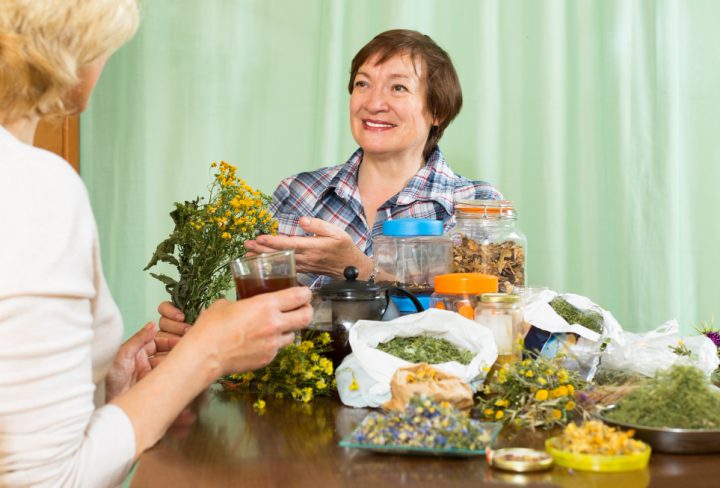
Polycystic Ovary Syndrome (PCOS) is a common health issue for women. It affects hormones and can cause irregular periods, weight gain, and acne. Many people now look to Ayurveda for PCOS because it offers natural ways to manage symptoms. Ayurveda uses herbs, diet, and lifestyle changes to help balance the body. In this blog, you will learn how Ayurveda for PCOS can help, along with five preventive tips and daily guidance for better health.
What is PCOS?
PCOS stands for Polycystic Ovary Syndrome. It is a condition where the ovaries make more male hormones than usual. As a result, small cysts may form in the ovaries. PCOS can affect periods, fertility, and even mood. According to the World Health Organization (WHO), PCOS is one of the most common causes of hormone problems in women.
Common symptoms of PCOS include:
Doctors are not sure what causes PCOS. However, it may be linked to genetics, insulin resistance, and hormone imbalance.
How Ayurveda Addresses PCOS
Ayurveda is an ancient Indian system of medicine. It focuses on balancing the body, mind, and spirit. In Ayurveda, PCOS is often seen as an imbalance in the body’s energies, called doshas. These are Vata, Pitta, and Kapha. When these doshas are out of balance, health problems like PCOS can occur.
Ayurvedic remedies for PCOS use natural herbs, diet changes, and daily routines. For example, herbs like Ashwagandha and Shatavari may help balance hormones. Ayurveda also encourages gentle exercise and stress management. This holistic approach aims to treat the root cause, not just the symptoms.
5 Preventive Tips for PCOS in Ayurveda
Ayurveda offers simple steps to help prevent and manage PCOS. Here are five evidence-based tips:
These Ayurveda tips for hormonal balance can be part of your daily life. However, always talk to a healthcare provider before making big changes.
Lifestyle and Dietary Guidance
Ayurveda for PCOS in India and worldwide suggests simple lifestyle changes. For example, eat meals at the same time each day. This helps your body know when to expect food. Drink warm water instead of cold drinks to support digestion. In addition, avoid skipping meals, as this can upset your body’s balance.
For diet, Ayurveda recommends:
With these changes, you can support PCOS management with Ayurveda and improve your overall health.
When to Consult a Specialist
Sometimes, home remedies and lifestyle changes are not enough. You should see a doctor or Ayurvedic specialist if you notice:
Early care can help prevent long-term problems. In addition, a specialist can create a plan that fits your needs.
In summary, Ayurveda for PCOS offers natural ways to manage and prevent symptoms. With simple lifestyle changes and herbal support, you can take charge of your health. Consult an Ayurvedic specialist for personalized PCOS management and guidance.